
If you're replacing or installing a driveway, you've probably come across the permeable vs. traditional debate and wondered whether permeable is genuinely better or just the trendy, more expensive option. The honest answer is: it depends on your situation — but it's worth understanding the real differences before you commit to either.Let's start with the basics. A traditional driveway — typically poured concrete or asphalt — is a solid, sealed surface. Rainwater hits it and goes wherever it can: into the yard, down the street, into storm drains. It works, it's familiar, and most contractors can install it in their sleep. A permeable driveway, on the other hand, is designed to let water pass through the surface and soak into the ground beneath, mimicking the way natural soil handles rainfall.So why does that matter? Think about what happens during a heavy rainstorm on a standard sealed driveway. All that water has to go somewhere, and it often takes oil, sediment, and other contaminants along for the ride into local drainage systems. A permeable surface significantly reduces stormwater runoff, which is a major environmental concern — and in areas prone to pooling or flooding, that difference can be dramatic on your own property too.
Permeable Driveway vs Traditional: Is It Worth It?
If you've ever walked out in spring and wondered how your driveway went from smooth to cracked over a single winter, you're not imagining things. Cold weather is genuinely brutal on pavement — and the culprit isn't just the cold itself. It's the back-and-forth. Understanding how driveway maintenance and freeze-thaw cycles interact is the key to stopping the damage before it becomes a costly replacement job.
How Long Does a Driveway Installation Actually Take?
Get a Free Quote
Contact Us
Our Services
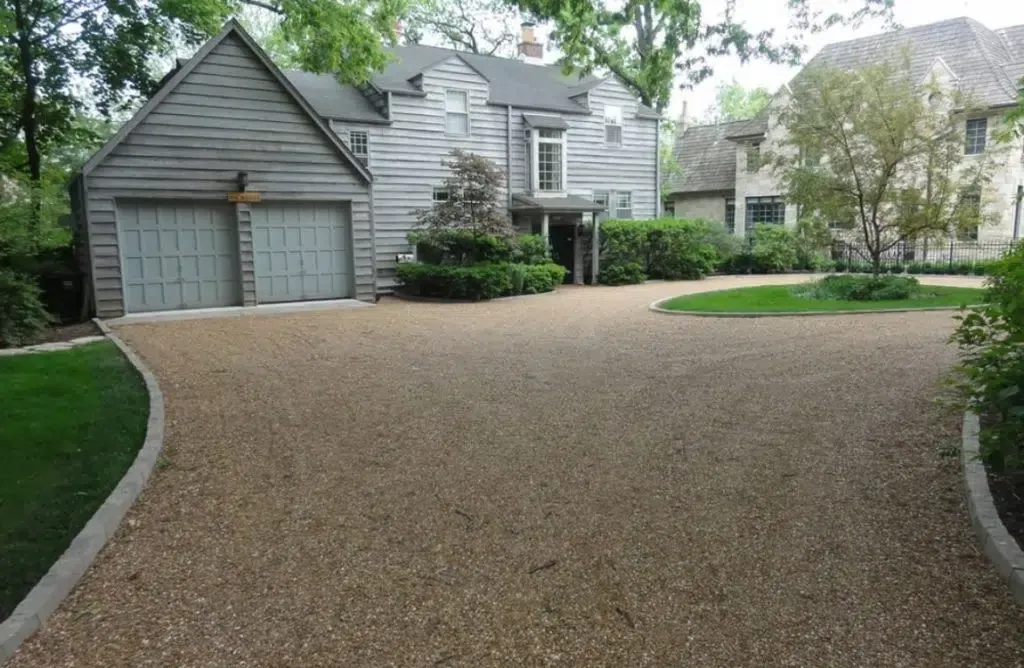
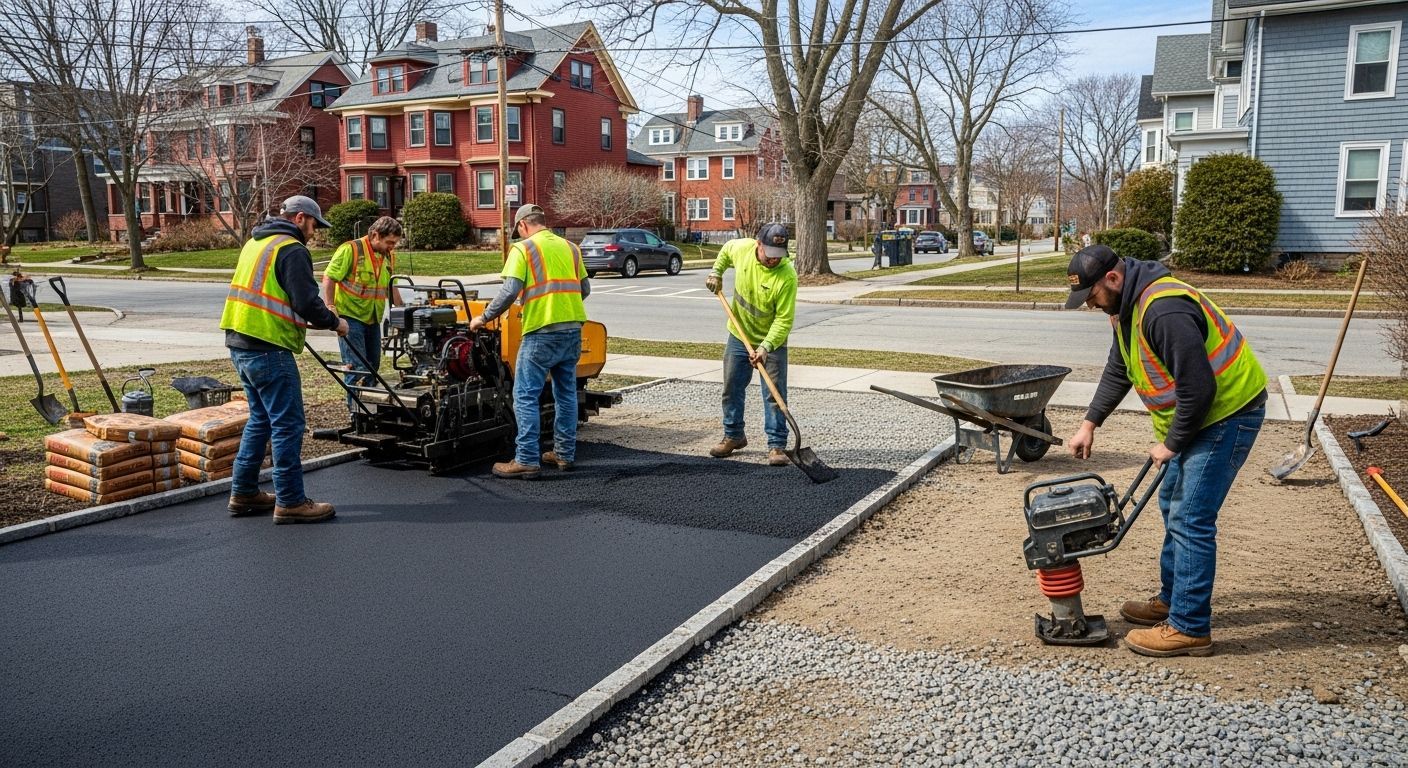
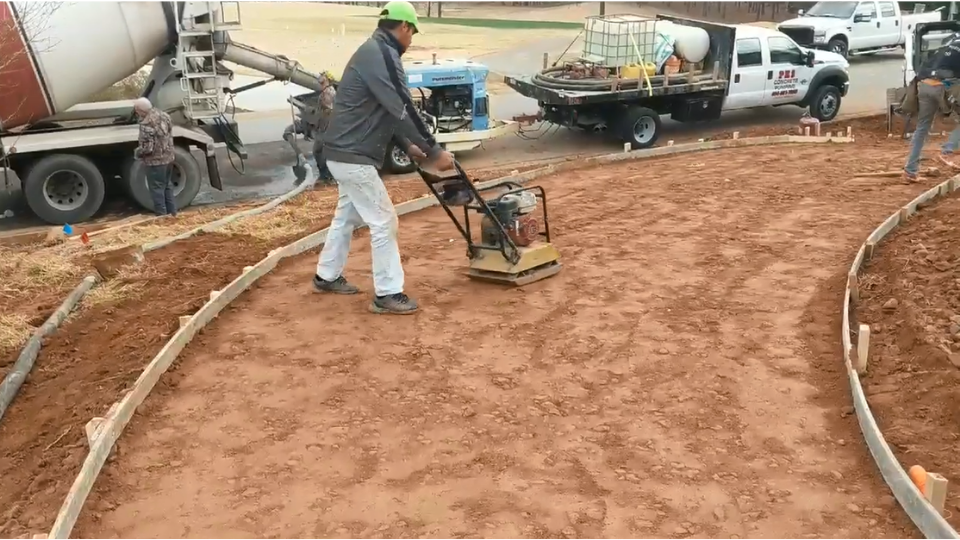
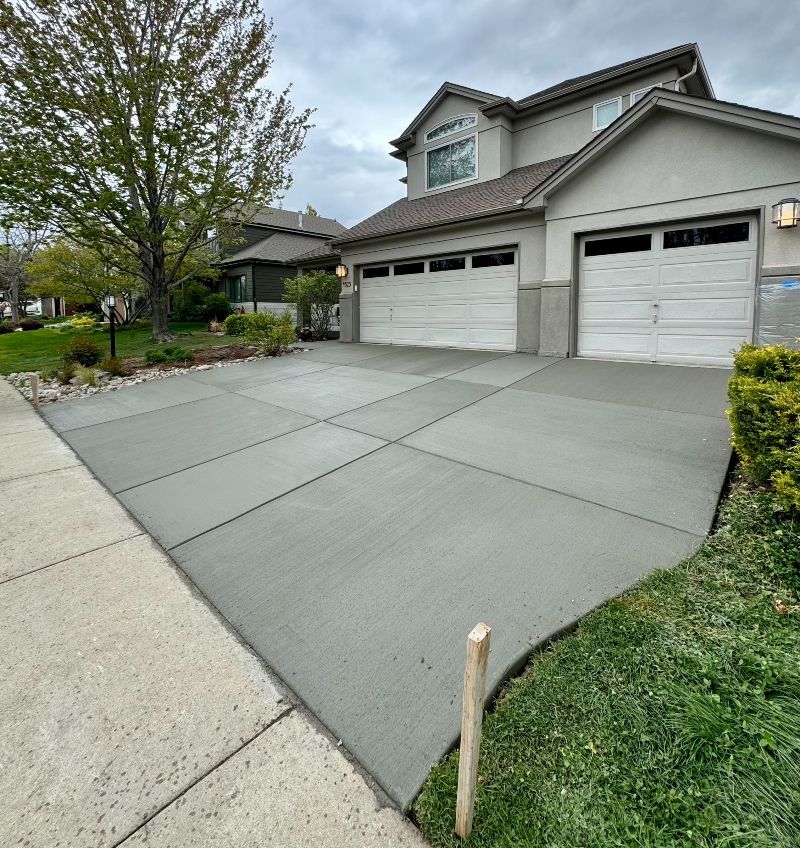
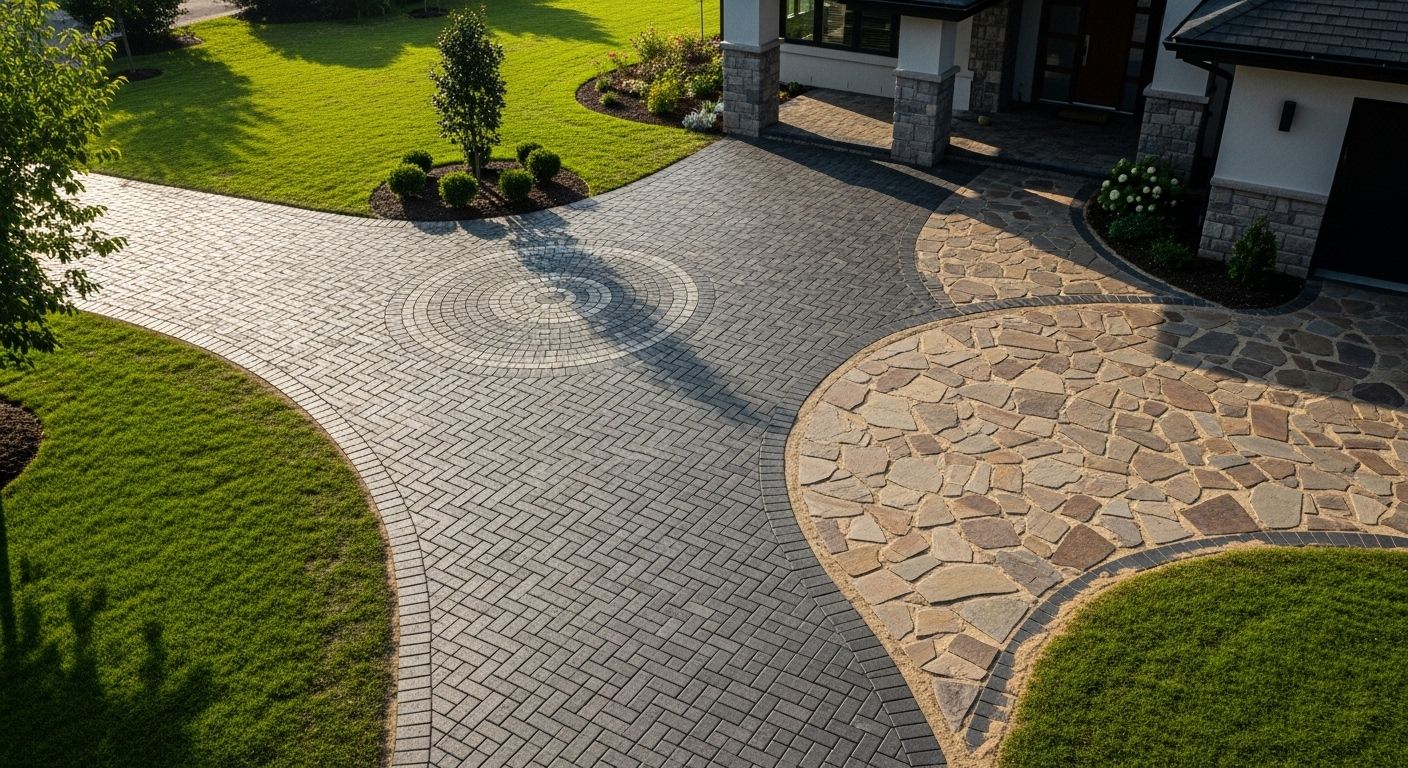
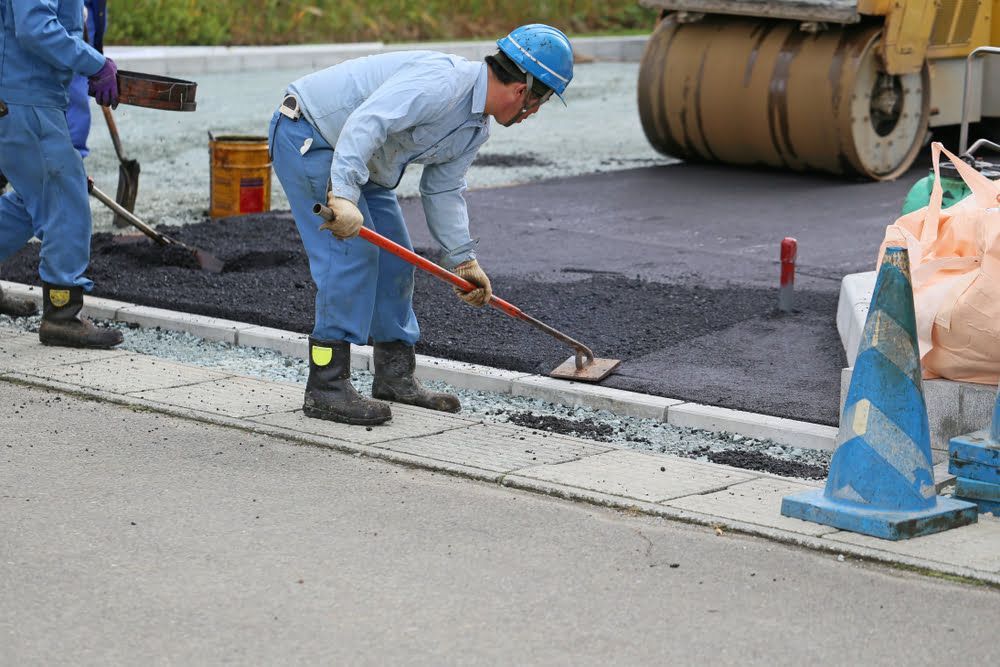
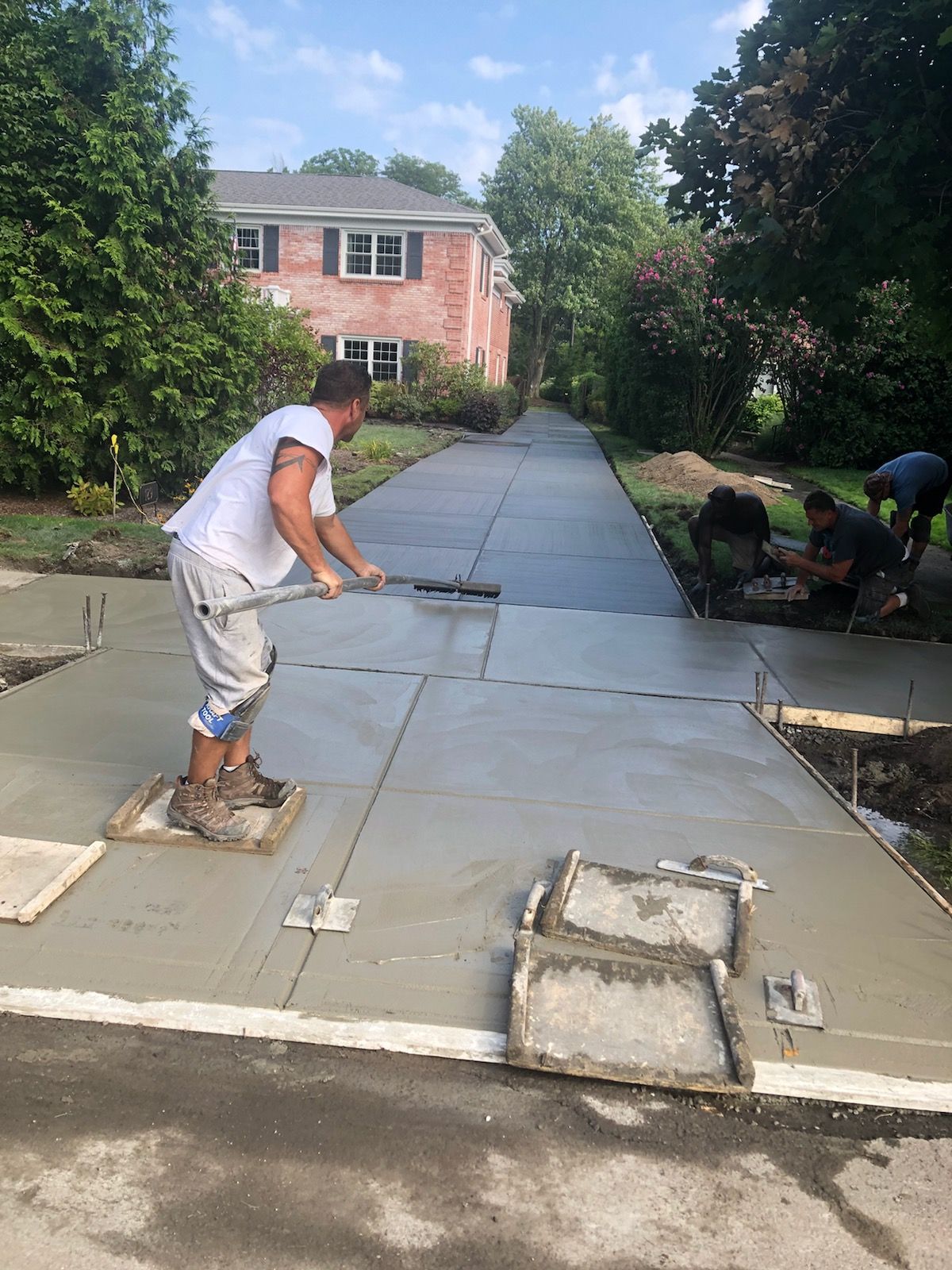

Now, when people ask about the permeable driveway vs traditional question, cost usually comes up immediately — and fairly so. Permeable driveways are generally about one-third more expensive upfront than traditional asphalt or concrete. That's a real gap, especially for larger driveways. But upfront cost isn't the whole story. Over time, permeable driveways can reduce drainage issues, lower maintenance costs related to cracking and sealing, and may even save money on stormwater fees in some municipalities.
Traditional driveways aren't maintenance-free either. Concrete cracks. Asphalt needs periodic sealing. Both can develop drainage problems around the edges that lead to erosion or damage to your lawn and foundation over years. The maintenance on a permeable surface is different — you'll occasionally need to clear debris from the pores to keep it draining properly — but if sand or fine particles clog the pavers and you don't address it, the driveway starts to function like a regular non-permeable surface. So it does need some attention, just a different kind.
One thing that doesn't get talked about enough is climate. If you live in an area with extreme freeze-thaw cycles, a traditional driveway might actually be the better choice, since the repeated freezing and thawing of water sitting in the pores of a permeable surface can cause cracking over time. In a place like St. Petersburg, Florida, though? That's basically a non-issue. You're far more likely to benefit from a surface that handles heavy rainfall and summer downpours without turning your driveway into a lake.
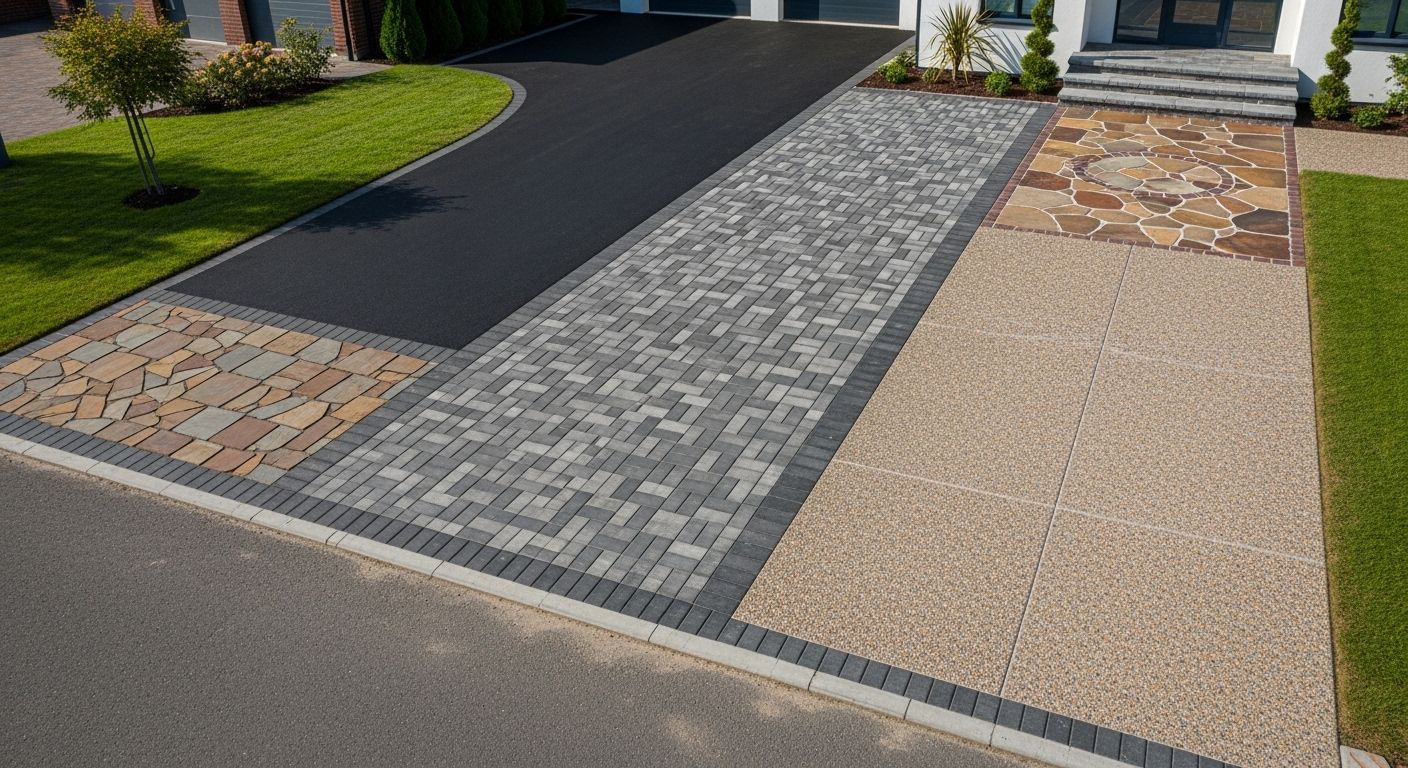
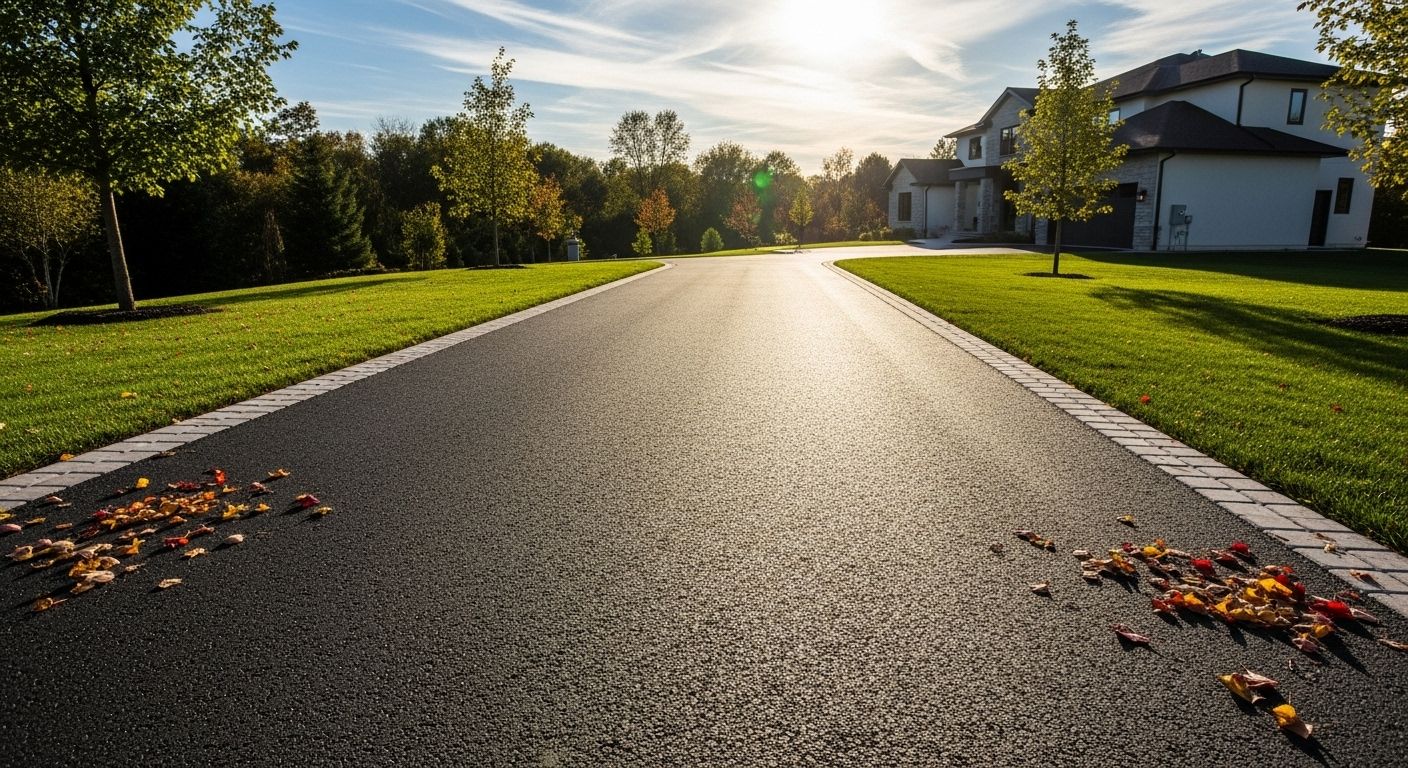
There's also the aesthetics side of things. Traditional concrete and asphalt are simple and clean. Permeable options — including permeable pavers, pervious concrete, and plastic grid systems filled with gravel or grass — have come a long way in terms of looks. Traditional pavers do offer a wider versatile range of design options at the moment, but permeable options are catching up, and plenty of homeowners find them just as attractive, if not more so.
So which wins in the permeable driveway vs traditional showdown? If your budget is tight and your drainage situation is fine, a well-installed traditional driveway is a perfectly solid choice. But if you deal with runoff issues, care about the environmental footprint of your property, or are thinking long-term about maintenance and water management — permeable is genuinely worth the extra investment. It's not just a greener option for the sake of it. In the right situation, it's simply the smarter driveway.
Boston Driveway Contractor Near Me? Boston Driveway Serves More Than Boston
Worcester, MA
Springfield, MA
Cambridge, MA
Lowell, MA
Brockton, MA
Lynn, MA
Quincy, MA
New Bedford, MA
Fall River, MA
Newton, MA
Lawrence, MA
Somerville, MA
Framingham, MA
Haverhill, MA
Malden, MA
Salem, MA
Do that consistently, and a well-installed driveway can easily last 20–30 years. Ignore it, and you might be looking at repaving in 10. The math on a bag of crack filler and a few gallons of sealer is pretty easy.