Asphalt vs Concrete Driveway: Which Is Better for New England Winters?

If you're trying to decide between an asphalt vs concrete driveway in New England, the climate pretty much makes the decision for you — at least halfway. This isn't like choosing between two options that are roughly equal. Our winters are brutal on pavement, and each material handles that abuse very differently.

Our Services →

Asphalt or Concrete? What New England Homeowners Actually Need to Know

picture of arborist trimming tree

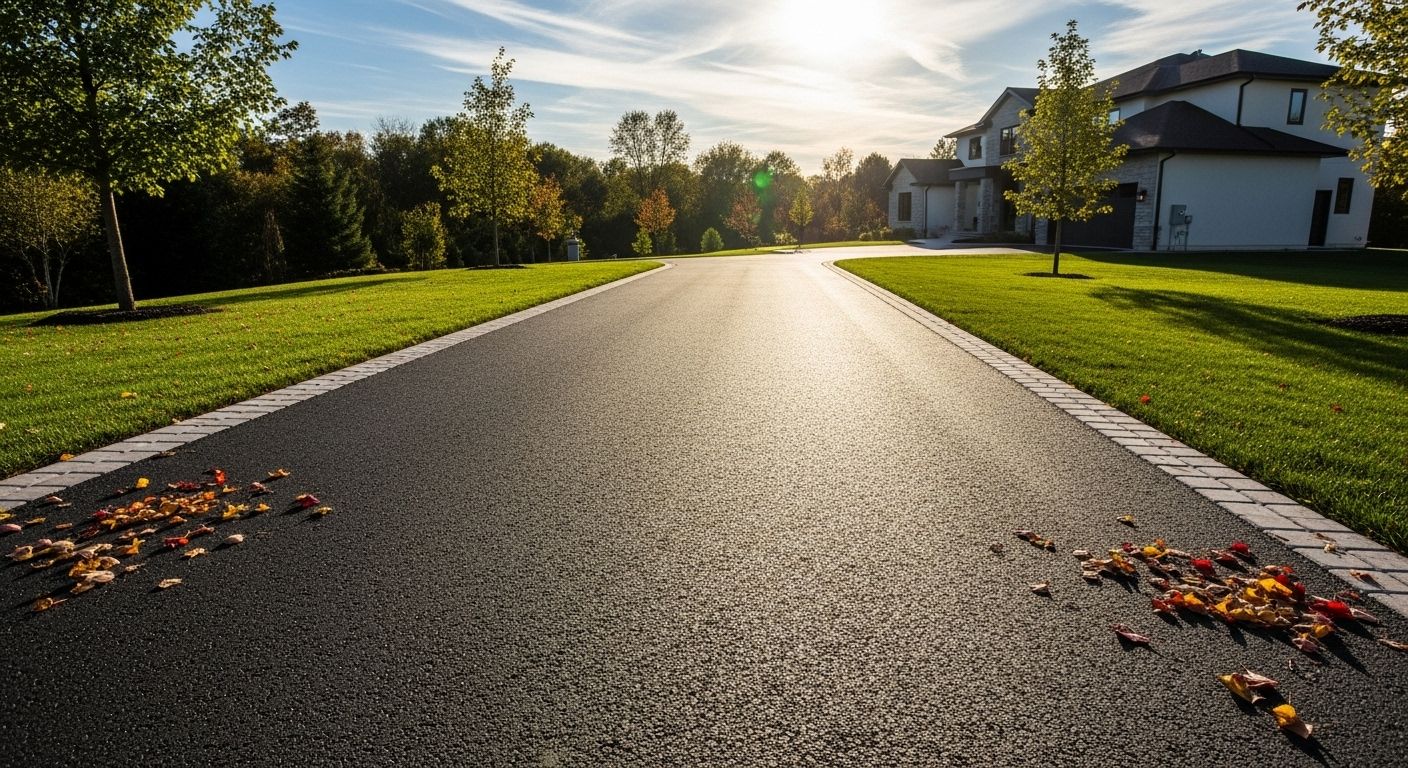
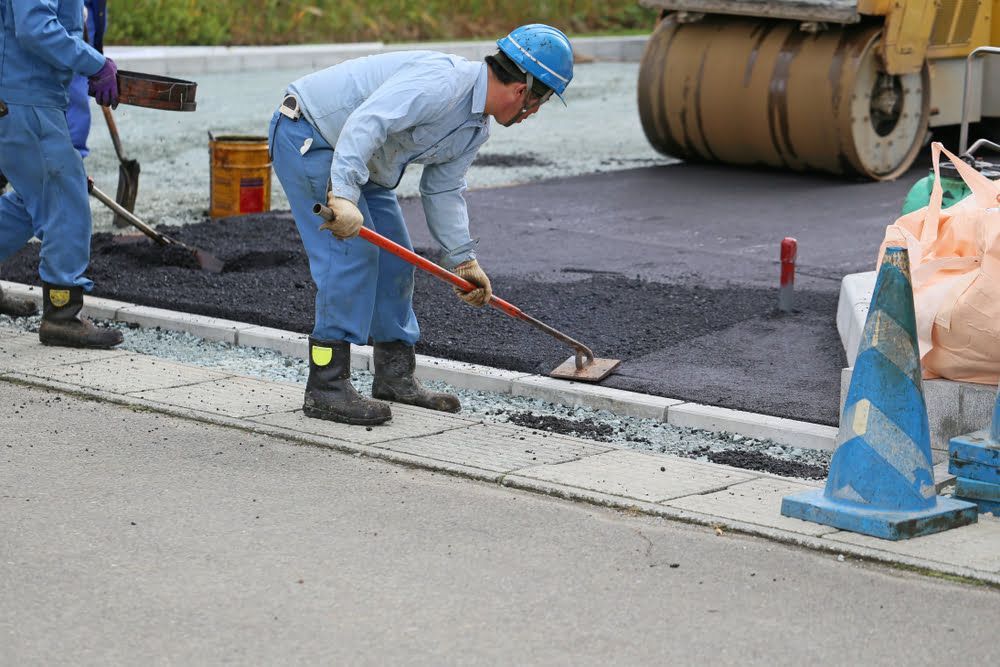
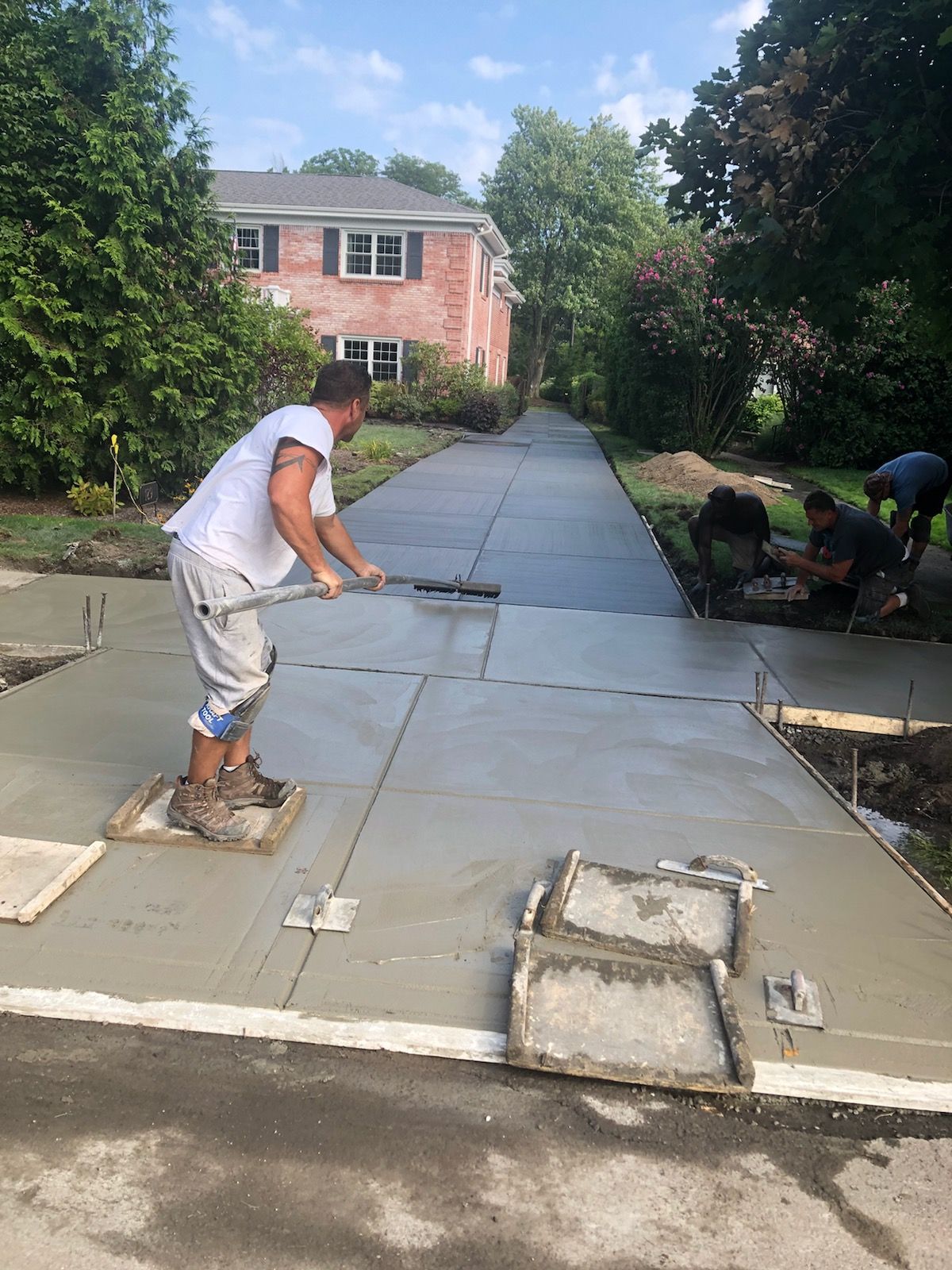
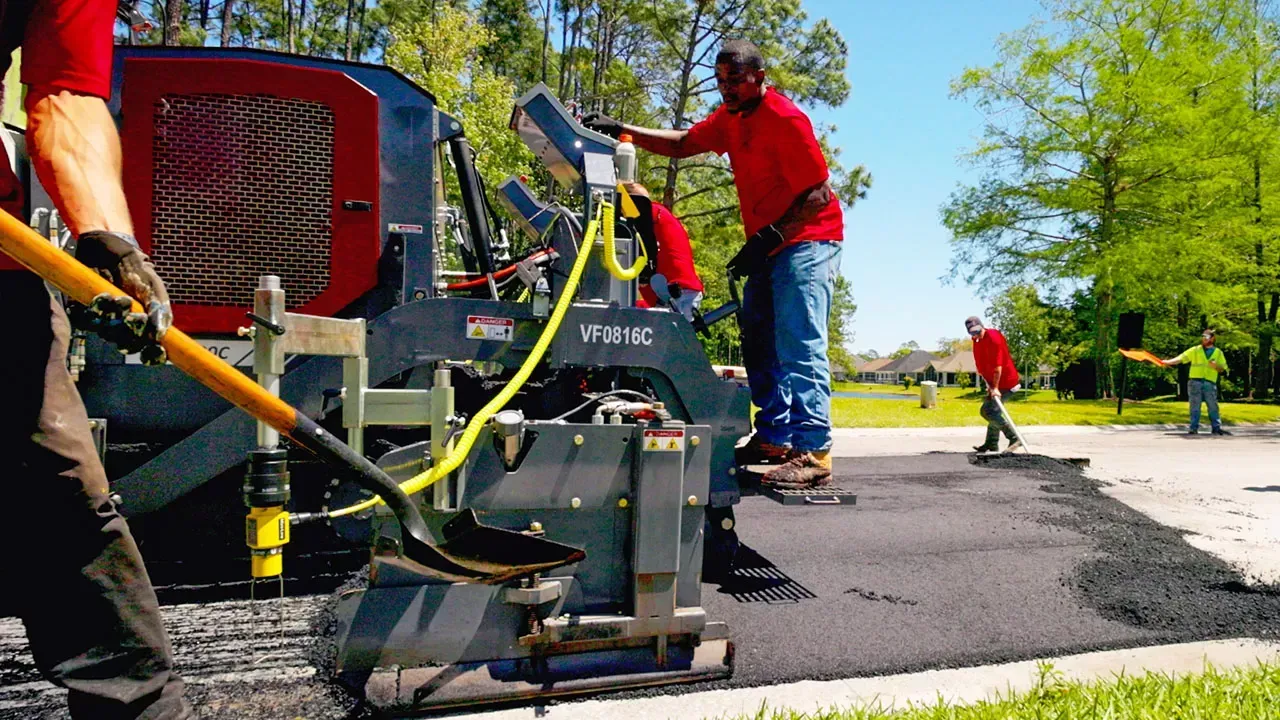
Let's start with asphalt, because it tends to win here for a reason. Asphalt is flexible. When the ground freezes and heaves — and it will, repeatedly, from November through March — asphalt bends a little with it. Concrete doesn't. It's rigid, which means frost heave and the freeze-thaw cycle that defines New England winters can crack it badly over time. You can pour a beautiful concrete driveway in September and be looking at spider-web cracks by spring.

There's also the salt issue. Road salt, which you'll be using or tracking in constantly, is genuinely hard on concrete. It accelerates spalling — that's when the surface starts to flake and pit — and can eat away at the finish within just a few years. Asphalt holds up to salt much better and is cheaper and easier to patch when it does take damage.
estimated_quoteArtboard 3

Get a Free Quote

Contact Us


Our Services


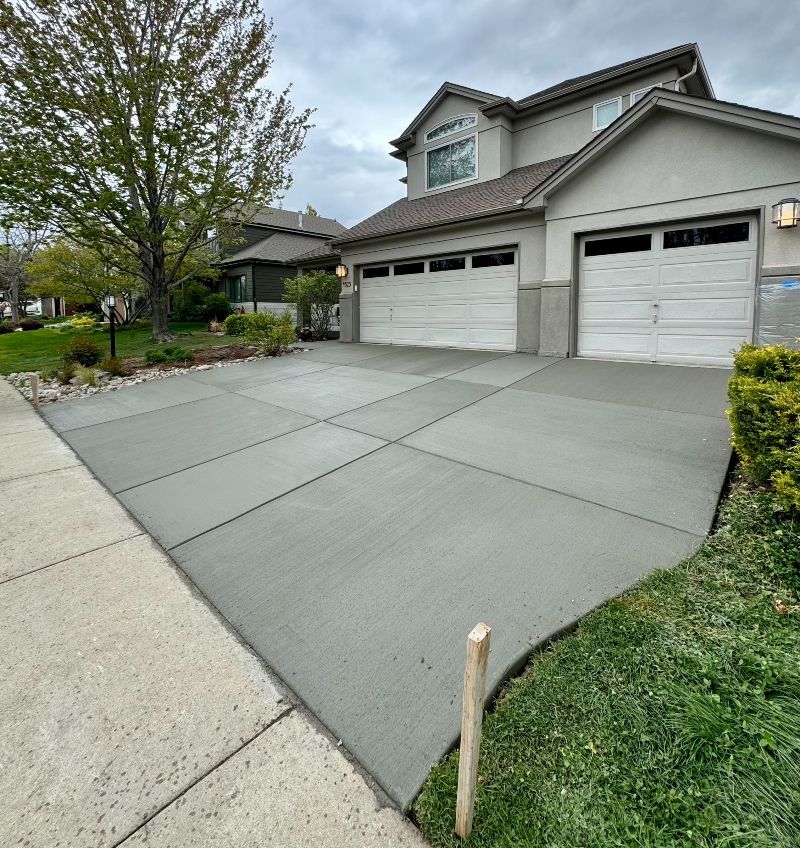
That said, concrete has real advantages worth taking seriously. It lasts longer on paper — 30 to 50 years versus 20 to 30 for asphalt — and requires less maintenance if it survives the winters intact. It also looks cleaner, stays cooler in summer (asphalt gets genuinely hot to walk on), and adds a bit more curb appeal if you're thinking about resale. If you're in a milder microclimate — say, coastal Connecticut versus northern Vermont — concrete becomes more viable.

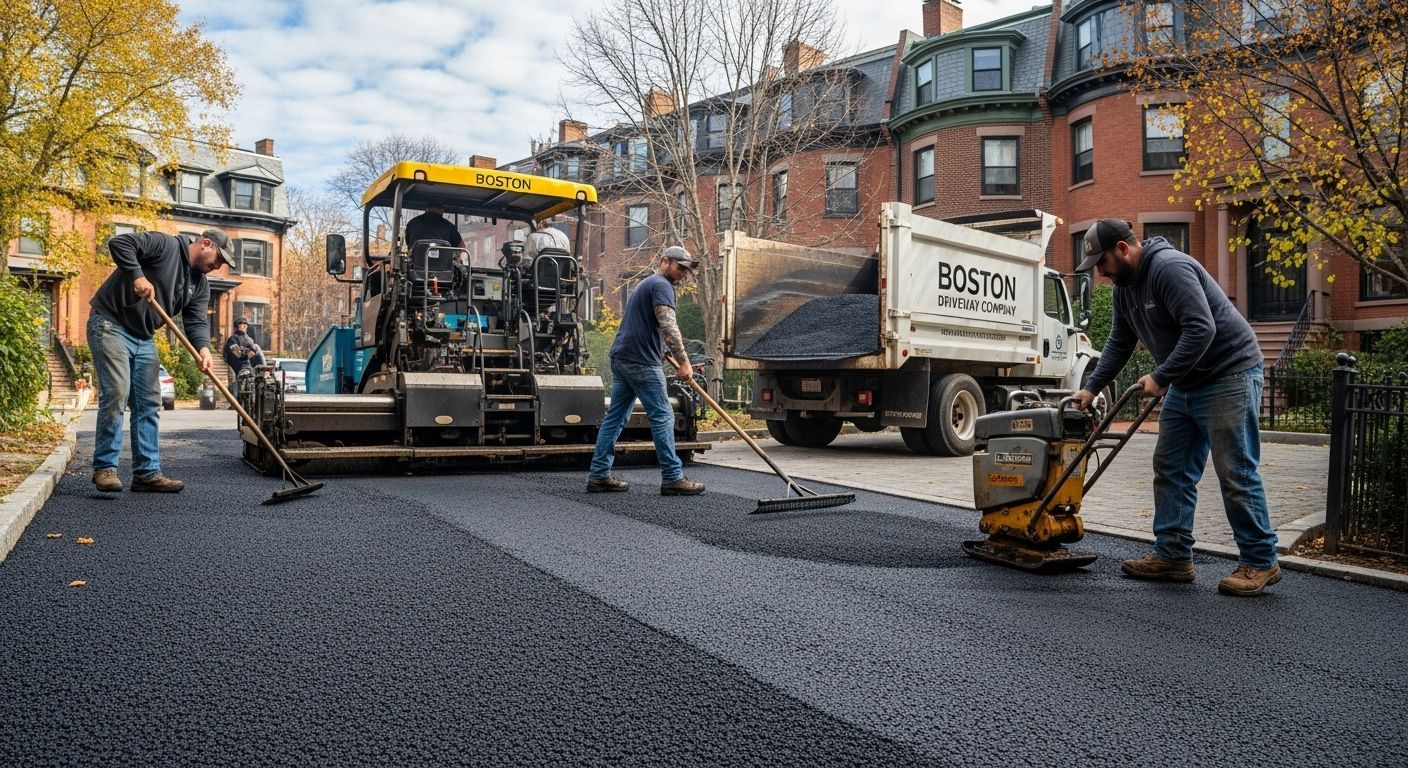
Cost usually breaks in asphalt's favor upfront. Expect to pay roughly $3–$5 per square foot for asphalt versus $6–$10 or more for concrete, depending on your area and prep work required. Asphalt also needs to be sealed every 3–5 years, which adds ongoing cost, but those sealing jobs are inexpensive and easy to schedule.


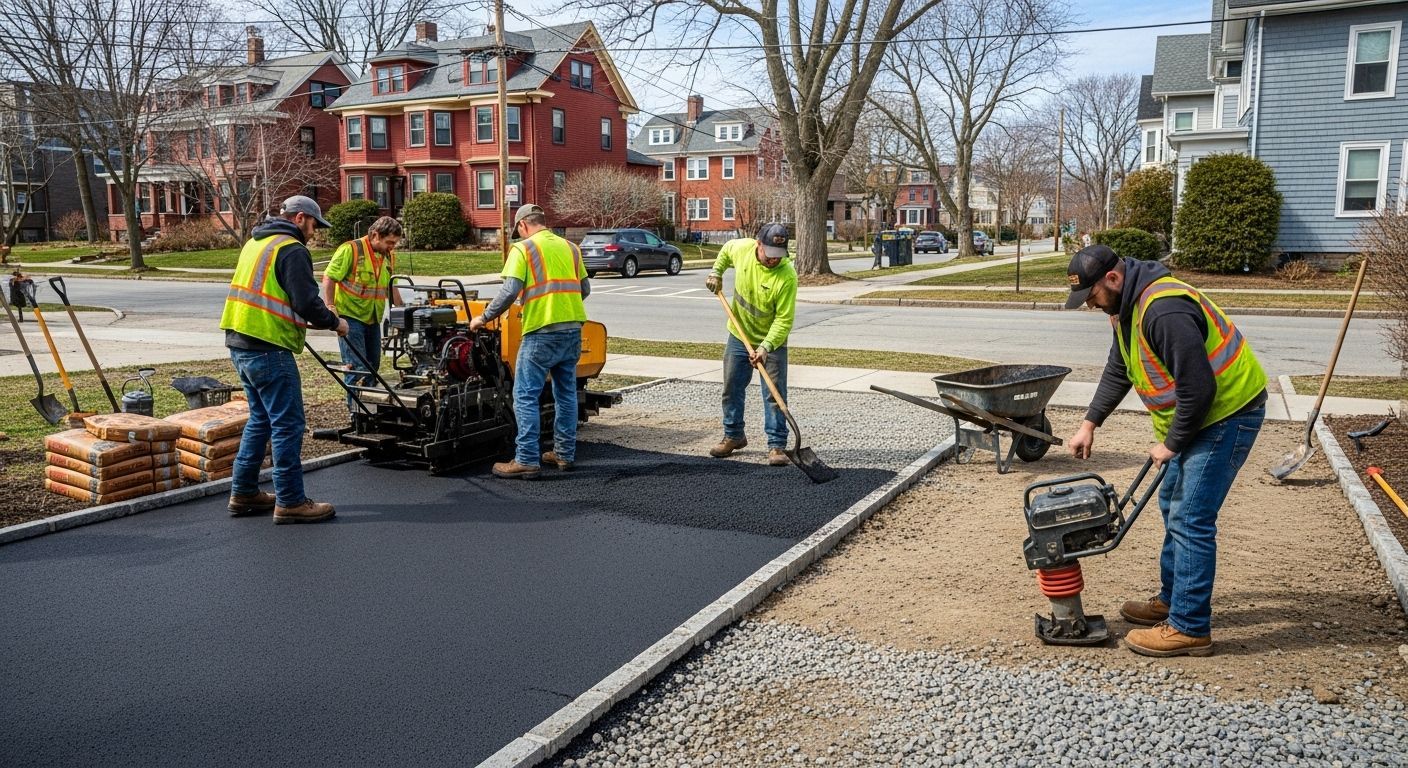
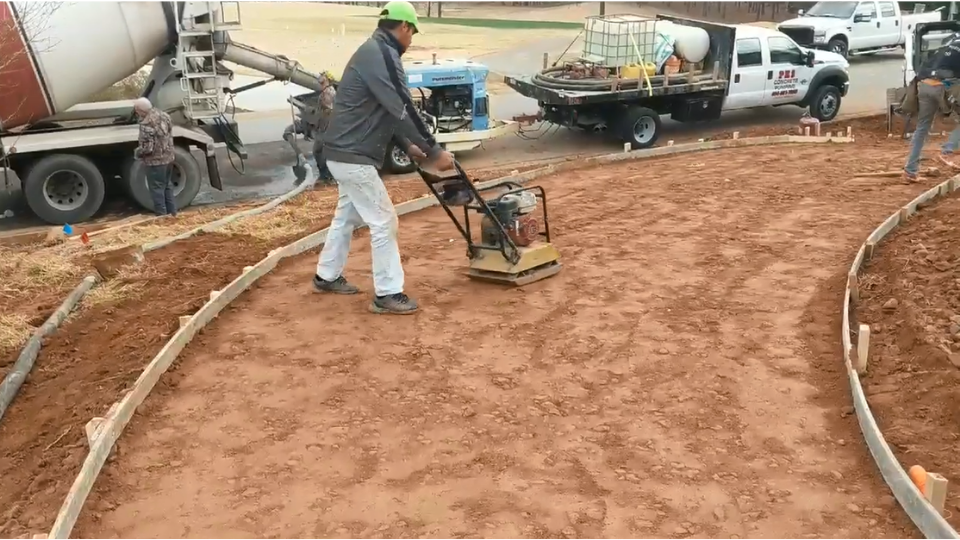
One thing people overlook: the base prep matters more than the surface material in New England. Whoever installs your driveway needs to account for proper drainage and a deep enough gravel base to handle frost depth — which can be 4 feet or more in northern parts of the region. A well-built asphalt driveway beats a poorly installed concrete one every single time.


When homeowners in this region ask about an asphalt vs concrete driveway in New England, the honest answer for most people is: go with asphalt unless you have specific reasons not to. It's more forgiving, easier to repair, costs less upfront, and it's simply better suited to the climate we actually live in. If you love the look of concrete and you're in a relatively mild area with good drainage, it can absolutely work — just go in with eyes open about the maintenance and the risk of early cracking.

Boston Driveway Contractor Near Me? Boston Driveway Serves More Than Boston

Worcester, MA
Springfield, MA
Cambridge, MA
Lowell, MA
Brockton, MA
Lynn, MA
Quincy, MA
New Bedford, MA

Fall River, MA
Newton, MA
Lawrence, MA
Somerville, MA
Framingham, MA
Haverhill, MA
Malden, MA
Salem, MA

Whatever you choose, get at least three quotes and ask each contractor specifically how they handle frost heave preparation. That question alone will tell you who knows what they're doing.