
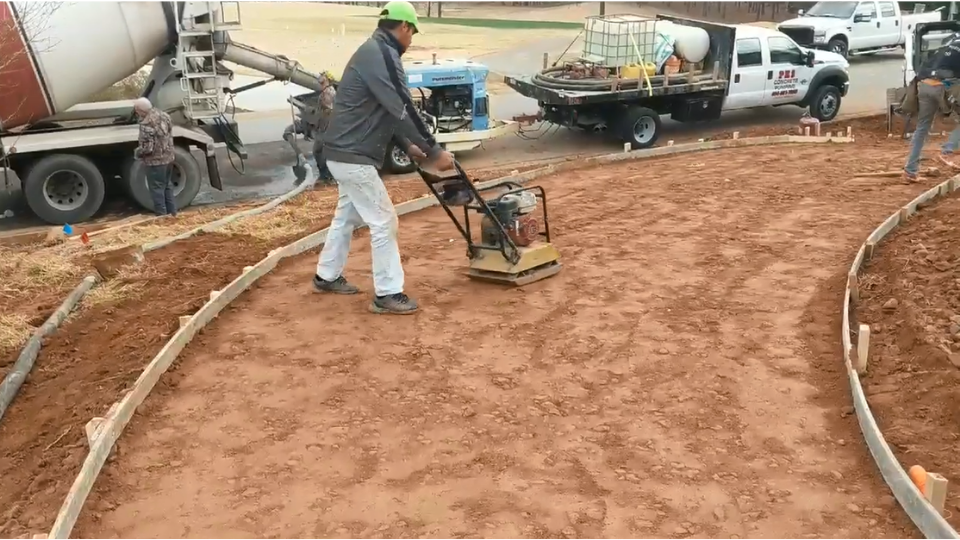
Preparation is the part that surprises most homeowners. Before any surface material goes down, the existing driveway (if there is one) needs to be removed and hauled away, the subgrade needs to be excavated to the right depth, and a compacted gravel base needs to be installed and graded properly. That prep work alone can take a full day for a typical residential driveway, sometimes more if the existing surface is thick, if the ground is uneven, or if drainage corrections need to be made. Skipping or rushing base preparation is the single most common cause of premature driveway failure — it's the step that determines whether your new surface lasts 20 years or starts cracking in five.
How Long Does a Driveway Installation Take? What Boston Homeowners Should Know
The work itself is usually faster than people expect. A standard two-car asphalt driveway can be installed in a single day by an experienced crew. Concrete takes a day to pour but then needs time to cure before you can use it. Pavers take longer — typically two to four days depending on size and pattern complexity. Those are the baseline numbers for the physical installation, but how long a driveway installation actually takes from start to finish involves a longer timeline than just the day the crew shows up.
How Long Does a Driveway Installation Actually Take?
Get a Free Quote
Contact Us
Our Services
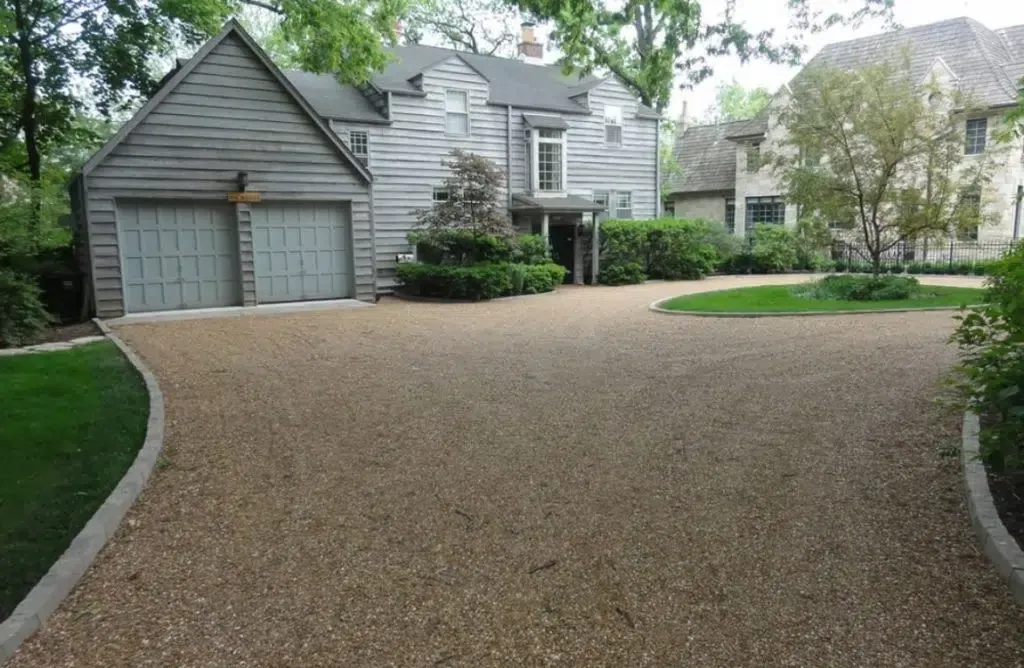
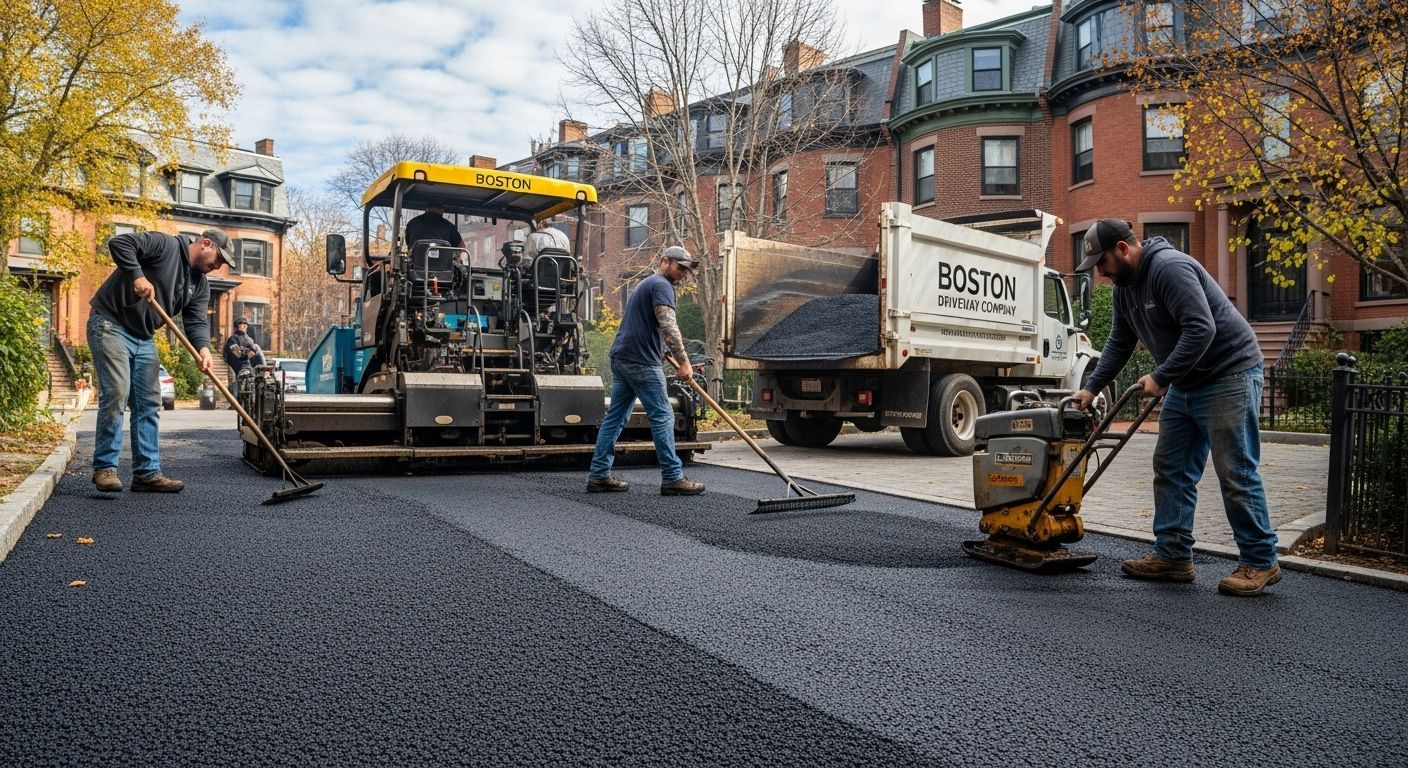
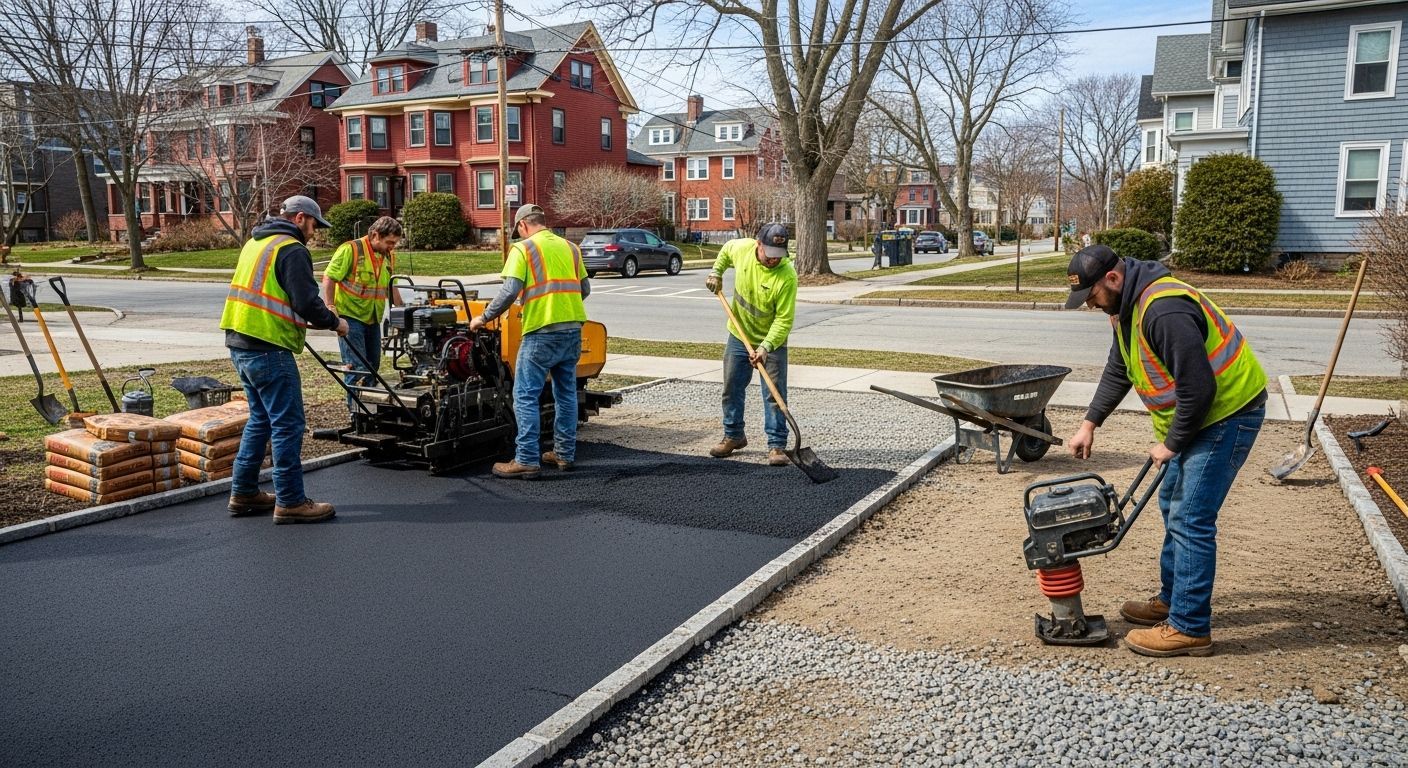
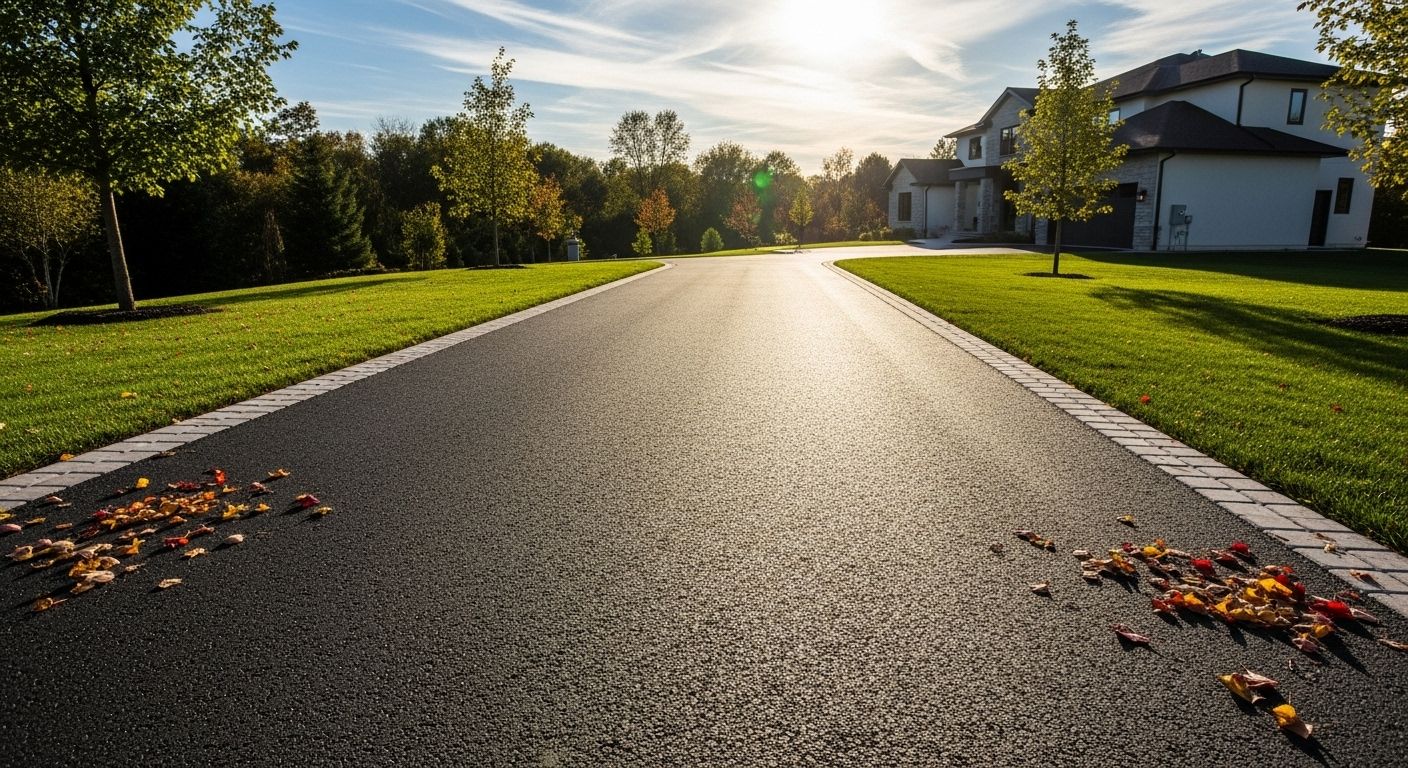
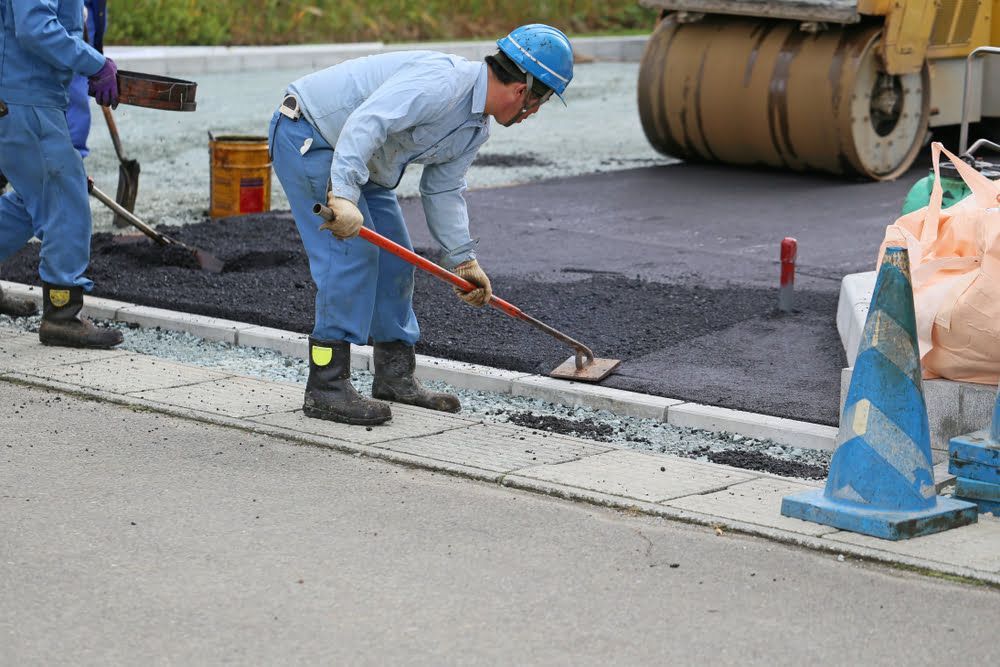

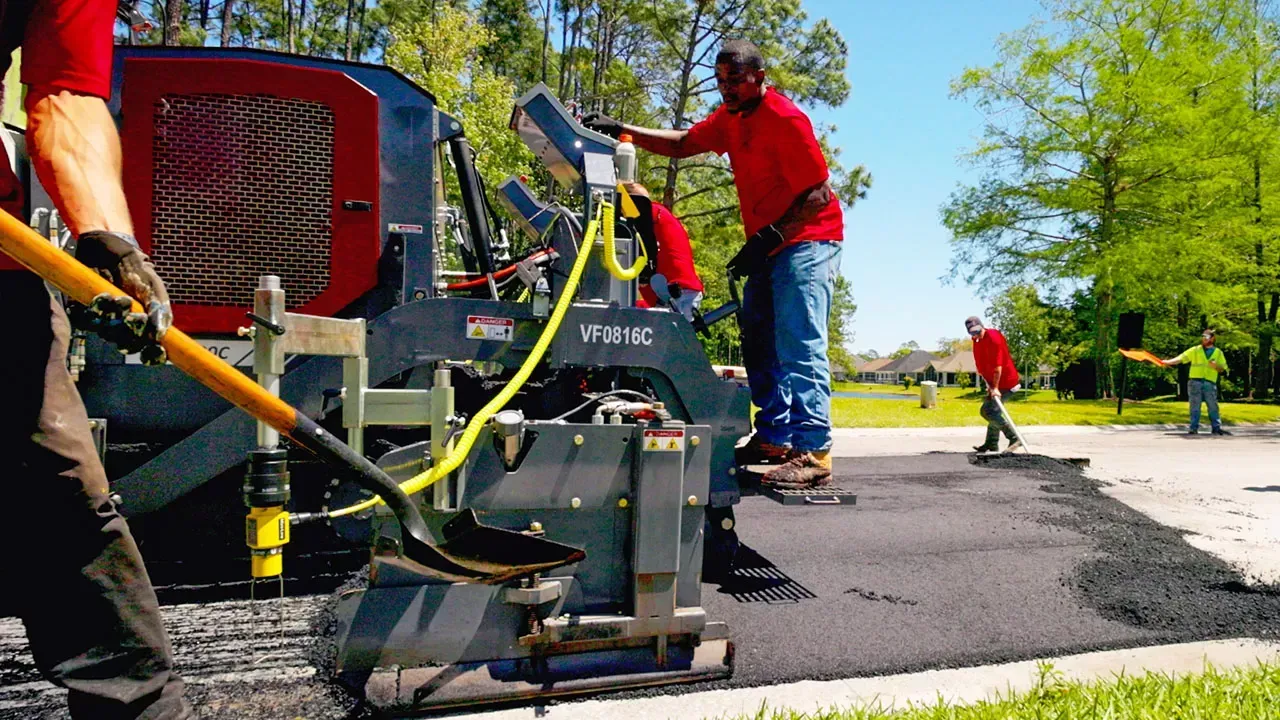
Asphalt is the fastest material from installation to use. Once the base is prepped, a crew can typically pave and roll a standard driveway in three to five hours. The material cools relatively quickly, and most installers recommend staying off it for 24 to 48 hours to let it firm up fully — longer in hot weather, when asphalt stays soft. The full cure that gives asphalt its final hardness takes longer, around 30 days, during which you should avoid parking in the same spot repeatedly and be careful with sharp edges like kickstands and jack stands that can leave impressions.
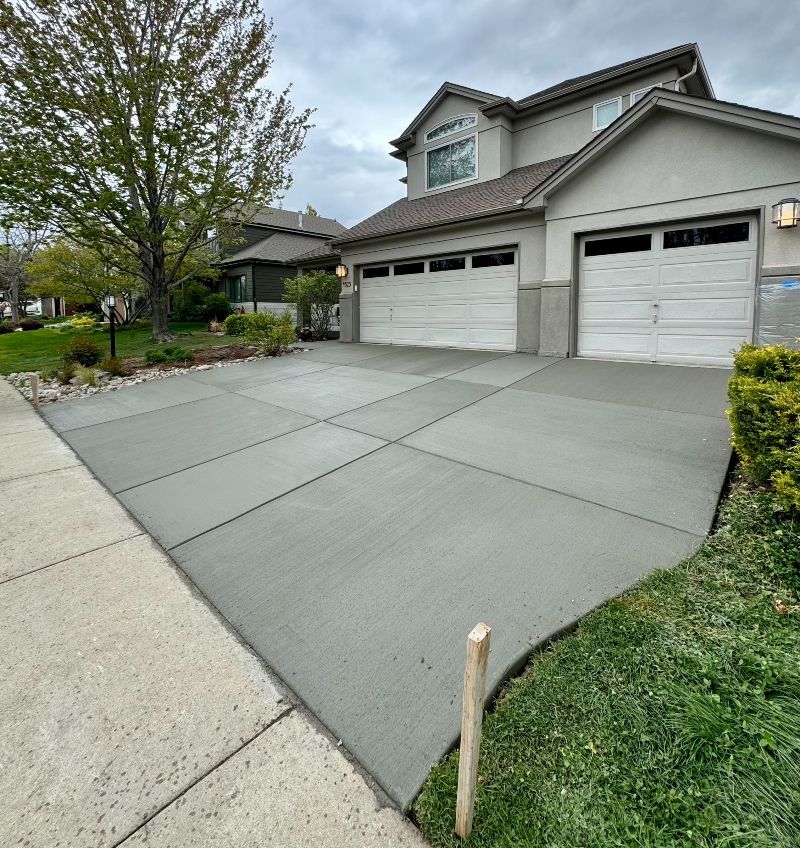
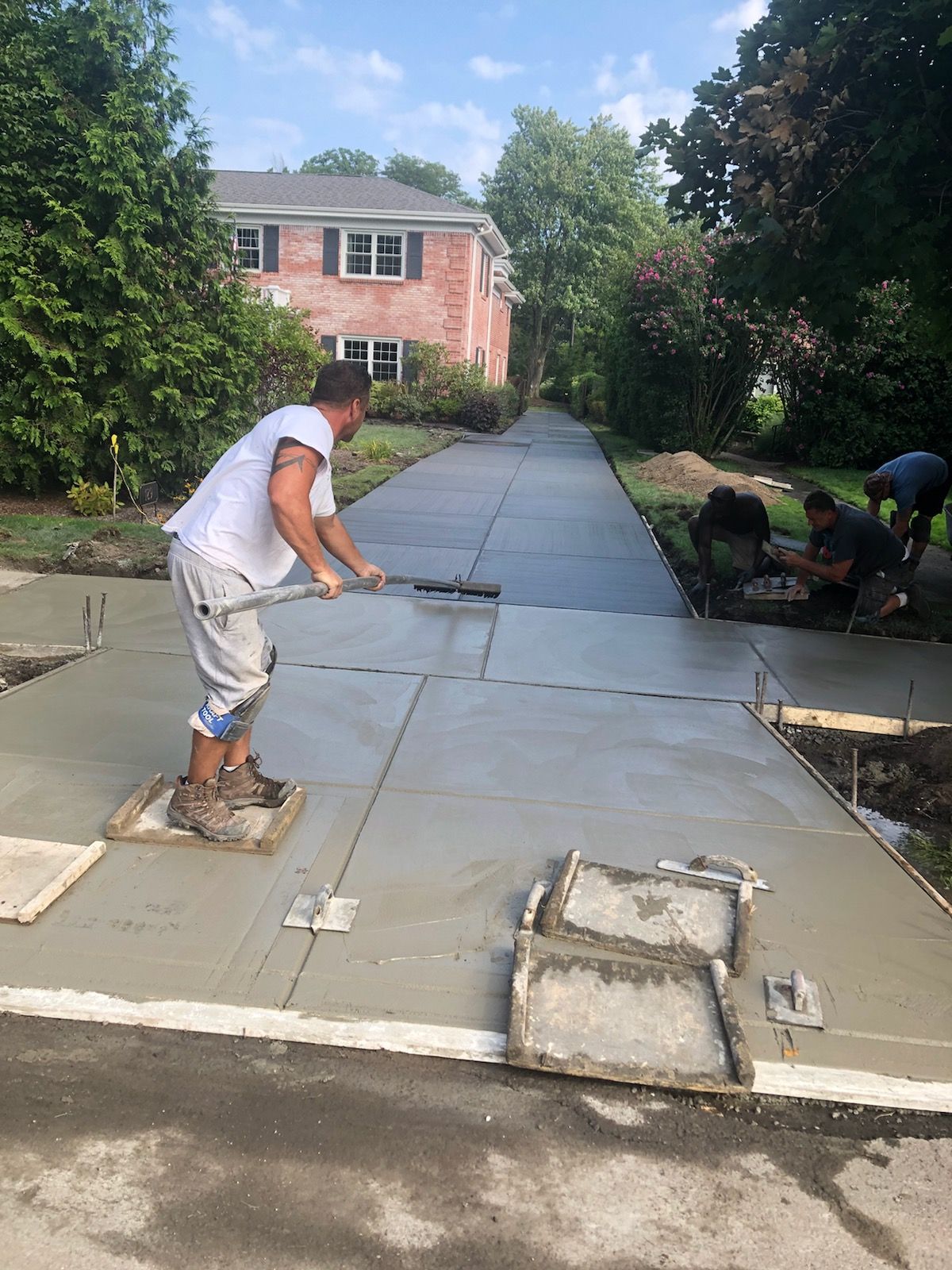
Concrete timelines work differently. The pour itself happens in a day, but concrete requires a minimum of seven days before you drive on it, with full strength taking around 28 days. That waiting period is non-negotiable — driving on concrete too early damages it permanently. Weather affects concrete significantly: it shouldn't be poured in freezing temperatures or extreme heat without protective measures, which is why scheduling matters more for concrete than for asphalt. The contractor also needs to plan for the concrete truck — delivery timing and the pour itself need to move efficiently before the material starts to set.
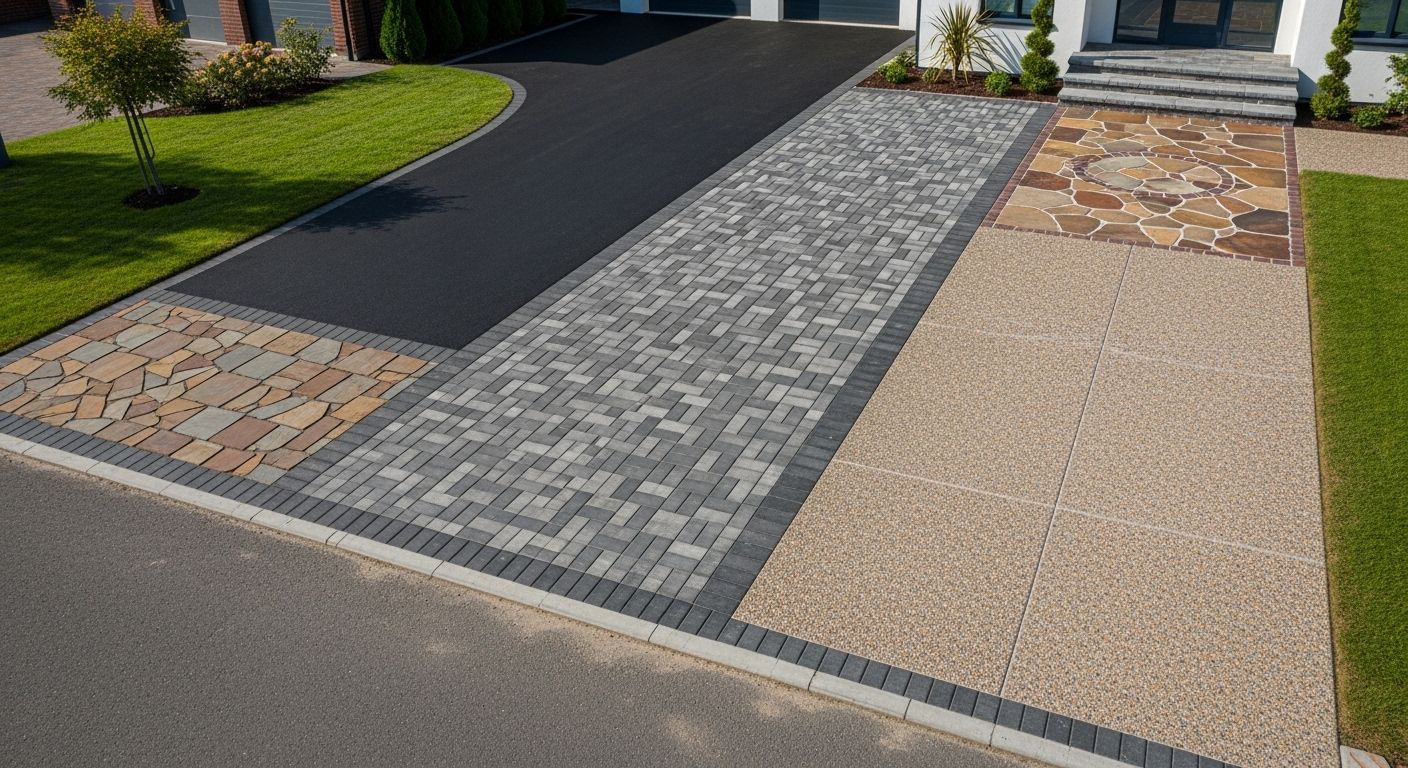
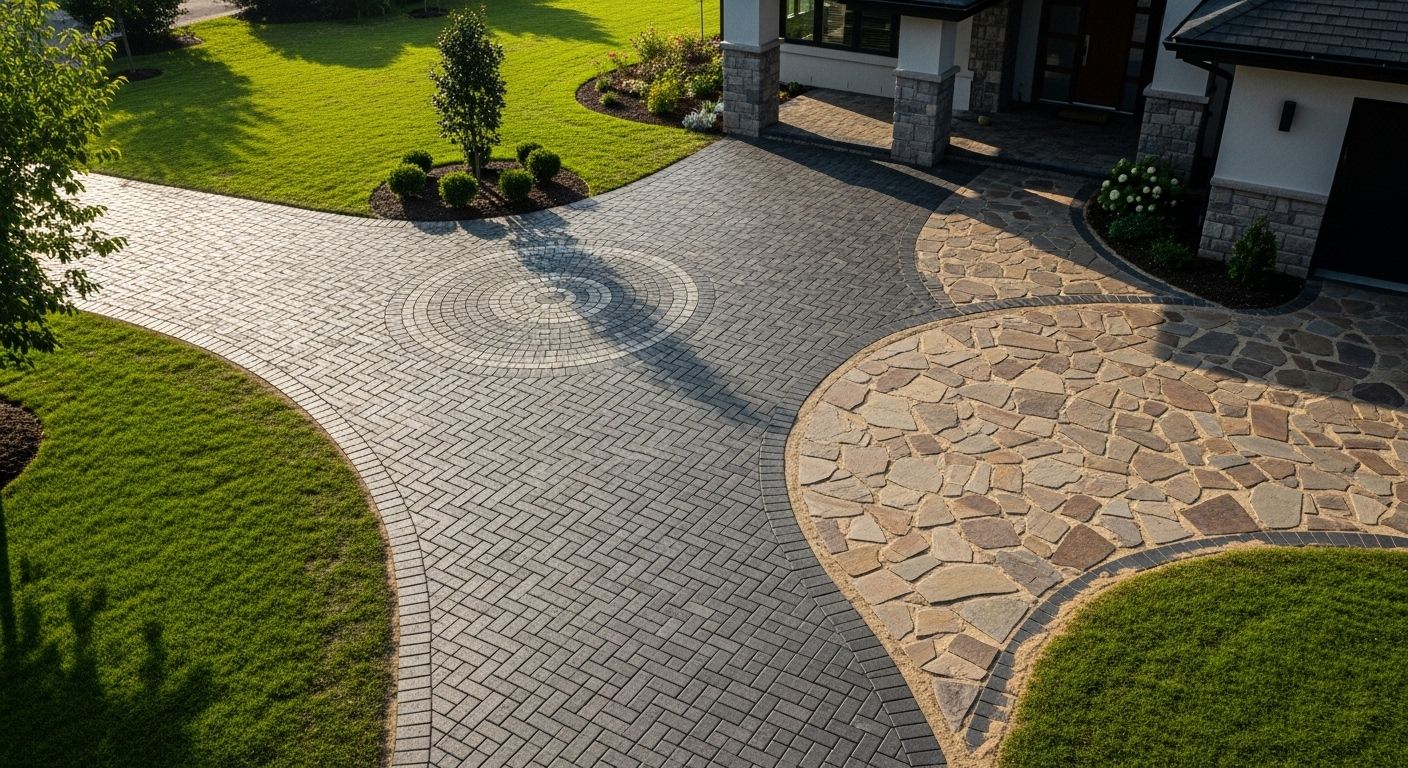
Pavers take the most installation time because they're labor-intensive by nature. After base preparation, each paver is set individually, leveled in sand, and compacted. Pattern complexity, curves, and border details add time. A straightforward rectangular paver driveway might take two days; an elaborate design with multiple colors, inlaid patterns, and decorative borders could take four or five. The good news is that pavers are usable as soon as they're installed and compacted — there's no cure time waiting period.
So how long does driveway installation take when you account for the whole process, not just the crew's time on site? For a typical residential project, think in terms of total elapsed time from first contact with a contractor to a finished, usable driveway. Scheduling and lead time is often the longest part of that window — reputable driveway contractors in busy seasons can be booked out four to eight weeks. Material availability matters too, especially for pavers where specific styles or colors may have lead times from suppliers.
Weather is the variable that can extend timelines regardless of how well everything else is planned. Asphalt can't be installed in rain or very cold temperatures. Concrete is sensitive to both freezing and extreme heat. Pavers need dry conditions to properly set in their sand bed. A contractor who tells you installation is weather-dependent isn't making excuses — they're being accurate. Building some flexibility into your timeline for weather delays is realistic, especially if you're planning around a specific event or season.
If you're replacing an existing driveway, factor in the demo and haul-away as a separate step that often happens a day or two before installation begins — contractors schedule equipment and crews for each phase, and they don't always run consecutively. For new construction driveways where the driveway is part of a larger build, the timeline gets integrated with the overall construction schedule, and the driveway is typically one of the last things completed.
Boston Driveway Contractor Near Me? Boston Driveway Serves More Than Boston
Worcester, MA
Springfield, MA
Cambridge, MA
Lowell, MA
Brockton, MA
Lynn, MA
Quincy, MA
New Bedford, MA
Fall River, MA
Newton, MA
Lawrence, MA
Somerville, MA
Framingham, MA
Haverhill, MA
Malden, MA
Salem, MA
The practical answer to how long does driveway installation take: budget one to two days for the physical work depending on material, add cure time if you're doing concrete, and plan for four to eight weeks of lead time to get a quality contractor scheduled. Starting the contractor conversation earlier than you think you need to is almost always the right call.